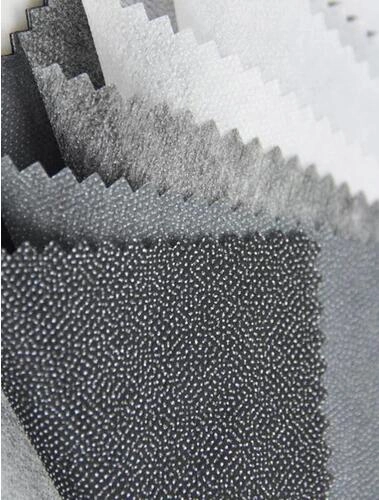
Non-woven lining refers to a fabric made by bonding fibers together rather than weaving them. Unlike traditional woven fabrics, non-woven linings are manufactured using mechanical, chemical, or thermal processes. This unique production method offers several advantages over conventional materials and has quickly gained popularity among fashion designers and manufacturers.
One of the key benefits of non-woven lining is its versatility. It can be used in a wide range of garments, including dresses, blouses, jackets, and even accessories. The non-woven structure allows for flexibility and adaptability, making it suitable for different styles and silhouettes. Whether it's a flowing maxi dress or a structured blazer, non-woven lining provides the necessary support and shape without compromising comfort.
Moreover, non-woven linings excel in terms of functionality. They offer breathability and moisture-wicking properties, ensuring that the wearer stays cool and dry throughout the day. This feature is particularly beneficial in activewear or garments intended for warmer climates. Additionally, non-woven linings can provide insulation in colder temperatures, keeping the body warm without adding bulk.
Another significant advantage of
non-woven lining is its sustainability. With increasing awareness about the environmental impact of the fashion industry, consumers and brands are seeking eco-friendly alternatives. Non-woven linings are often made from recycled or biodegradable fibers, reducing waste and decreasing the reliance on virgin materials. By choosing non-woven linings, fashion designers can contribute to a more sustainable and circular fashion economy.
Additionally, the production process of non-woven linings requires fewer resources compared to traditional woven fabrics. It consumes less energy and water, resulting in a lower carbon footprint. Furthermore, non-woven linings are often created with minimal chemical treatments, reducing the use of harmful substances in textile production. These sustainable attributes align with the growing demand for responsible fashion and appeal to environmentally conscious consumers.
The versatility and sustainability of non-woven lining have also caught the attention of accessory designers. From handbags to footwear, non-woven linings provide structure, durability, and lightweight properties, enhancing the functionality and longevity of various fashion accessories. This material innovation opens up new creative possibilities and expands the realm of sustainable design in the accessories market.
As the fashion industry continues to evolve, non-woven lining has become a go-to choice for designers and manufacturers. Its versatility, functionality, and sustainable attributes have made it an essential component in modern fashion. From improving comfort to reducing environmental impact, non-woven lining is at the forefront of a sustainable fashion revolution.